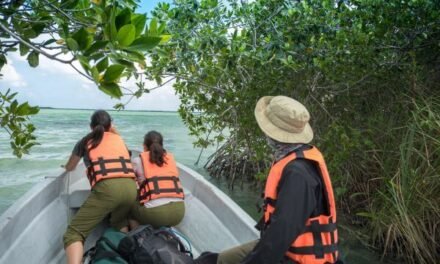
Traveling responsibly means keeping local communities in mind when making choices that could have an effect. Luckily, many companies involved with sustainable practices share connections which makes finding an eco-friendly place to stay or eat easier.
Conserving wildlife is another essential aspect of responsible tourism. When local communities recognize that their wildlife attracts tourists, they tend to take greater steps in protecting it than poaching it for profit.
1. Protects the Environment
Environmental sustainable tourism focuses on protecting wildlife from human interference, improving their habitat quality and making sure natural resources don’t decline due to tourism. Responsible animal encounters also play a vital role in this regard – more people drawn into such experiences means less pressure on poachers to harvest animals for parts such as skin goods or bushmeat.
Traveling responsibly means you’ll visit national parks and protected areas, taking part in activities like hiking, diving and birdwatching. Typically you’ll also be asked not to litter and respect local customs – all of which contributes to creating a greener environment. Furthermore, learning something about the country or region you are travelling through allows you to show appreciation to local people while deepening your understanding of its culture.
Tourism’s greatest environmental toll lies with air travel, so a smart option when possible would be using rail or road transportation (rather than flying). You may also consider offsetting any flights, which will reduce their environmental impact.
As more travelers become aware of the significance of sustainable travel, they’re choosing eco-friendly hotels and eco-travel options when visiting natural or cultural heritage sites. This can help protect our beloved forests, mountains, beaches, and cultural landmarks for future generations – something we all can support!
2. Saves Animals
Animals captured for entertainment are frequently subjected to abuse within the tourism industry. Activities like elephant riding and dolphin swimming appear harmless enough for tourists but are actually highly cruel for the animals involved. Responsible tourism seeks to safeguard these vulnerable creatures by offering alternatives that place the welfare of each animal first.
Conservation camps specializing in wildlife rehabilitation and rescue offer an ideal alternative to wildlife experiences that involve viewing or interacting with wild animals. At these centres, animals are treated humanely without being trained specifically to perform for visitors; this helps avoid overtourism while protecting both ecosystems and animal lives.
Tourists can play an essential role in saving animals by forgoing souvenirs made from endangered animals or their habitats, which acts as an effective vote with your wallet to alter market demand for these products, particularly important where selling these souvenirs may even be legally mandated to survive.
Travelers can help preserve wildlife by refraining from feeding animals in the wild. Doing so could cause them to become dependent upon humans and disrupt their natural behavior and habits, as well as lead to diseases or even deaths among the animals themselves.
Tourism can contribute to environmental innovation by introducing green infrastructure and processes into remote rural communities that would not otherwise have access to sustainable technologies, including renewable energies like solar or wind power, eco-friendly toiletries and much more.
3. Supports Local Communities
Tourism is a multibillion-dollar global industry and has played a crucial role in economic development in many nations around the globe. Unfortunately, overtourism can cause infrastructure strain, local unrest (when sites become overrun with tourists), compromise authenticity of an experience, as well as diminish visitor enjoyment (when masses of people spoil natural attractions). Responsible tourism aims to minimize these negative side-effects.
Sustainable benefits to communities while simultaneously protecting their culture and heritage and increasing intercultural understanding and tolerance can be realized through culturally sensitive experiences that respect indigenous traditions and values, while simultaneously guaranteeing social and environmental sustainability.
Additionally, our focus lies on supporting small local businesses – often the unsung hero’s of a destination’s economy – so as to distribute money more equitably while learning more about its character from those who know it best.
Responsible tourism also supports traditional practices that are at risk due to globalisation, such as gin distilleries and hand-woven carpets. By linking customers directly with these local businesses, responsible tourism fosters their growth while keeping money within communities and creating employment.
Responsible tourism aims to preserve wildlife and its habitats, by making sure animals are treated well without being exploited or endangered for tourism’s benefit. For instance, riding elephants and swimming with dolphins are both common tourist activities that have negative impacts on animal welfare; riding elephants causes physical stress which in turn contributes to diseases; sustainable wildlife encounters are more ethical and provide a much better experience for both the animal and tourists.
4. Boosts Local Economy
Responsible tourism packages allow travelers to directly reinvest their spending back into local economies, creating jobs and aiding in keeping communities strong financially. Furthermore, responsible travel bolsters cultural values while simultaneously encouraging preservation of history and traditions that make a place special.
Tourism often helps provide funding for nature parks and areas of outstanding natural beauty, providing essential funding that reduces animal poaching or illegal trade, improve water quality and encourage communities to protect the environment.
Additionally, sustainable tourism helps foster pride in a destination’s heritage and culture, leading to the revival of traditional handicraft industries and architectural traditions. Furthermore, sustainable tourism encourages English use in local schools and communities and thus facilitating understanding between different cultures.
Sustainable tourism also plays an integral part in helping local economies by eliminating the need for imported goods – for instance by using locally grown or harvested ingredients in restaurant menus – as well as saving energy by decreasing air conditioning/heating needs, leading to lower carbon emissions and utility bill costs.
Sustainable tourism creates more resilient destinations for both visitors and local residents, and all parties involved must be truly committed to making necessary changes. Individual tourists need to educate themselves on supporting eco-friendly businesses when traveling; cumulative effects could be significant.
5. Empowers Locals
Tourism has experienced exponential growth worldwide from Amazon jungle depths to Australian outback, often at the expense of natural resources, local economies and indigenous communities. Responsible tourism involves mitigating any negative impacts (such as erosion, littering, rises in crime or loss of authenticity) whilst capitalising on economic benefits, preservation of natural areas and promotion of heritage/culture.
At the core of responsible tourism lies an effective partnership between locals and tourists, where locals participate in creating tourism products and services – from cultural experiences and activities to products. Consultation takes place throughout this process while they get to share their story with visitors, creating positive representation of their community.
An integral component of this partnership is to ensure locals do not feel exploited by the tourism industry, by supporting ethical and sustainable practices while informing tourists on how their actions impact locals.
Responsible tourism promotes local involvement in managing tourist activities, employing them as guides or drivers and relieving overcrowded urban centres from unnecessary strain. Furthermore, employing young people also creates employment opportunities.
Responsible tourism promotes local small businesses such as family-run restaurants and shops by encouraging tourists to support small local enterprises like them, which serve to maintain local economies by providing families with food. However, travellers should be wary of greenwashing – the practice of pretending an establishment is eco-friendly without possessing official certifications – which could cause confusion for well-meaning travellers.